
Everyone's talking about relief at the pump.
Then I asked for a quote to bring a container into Canada.
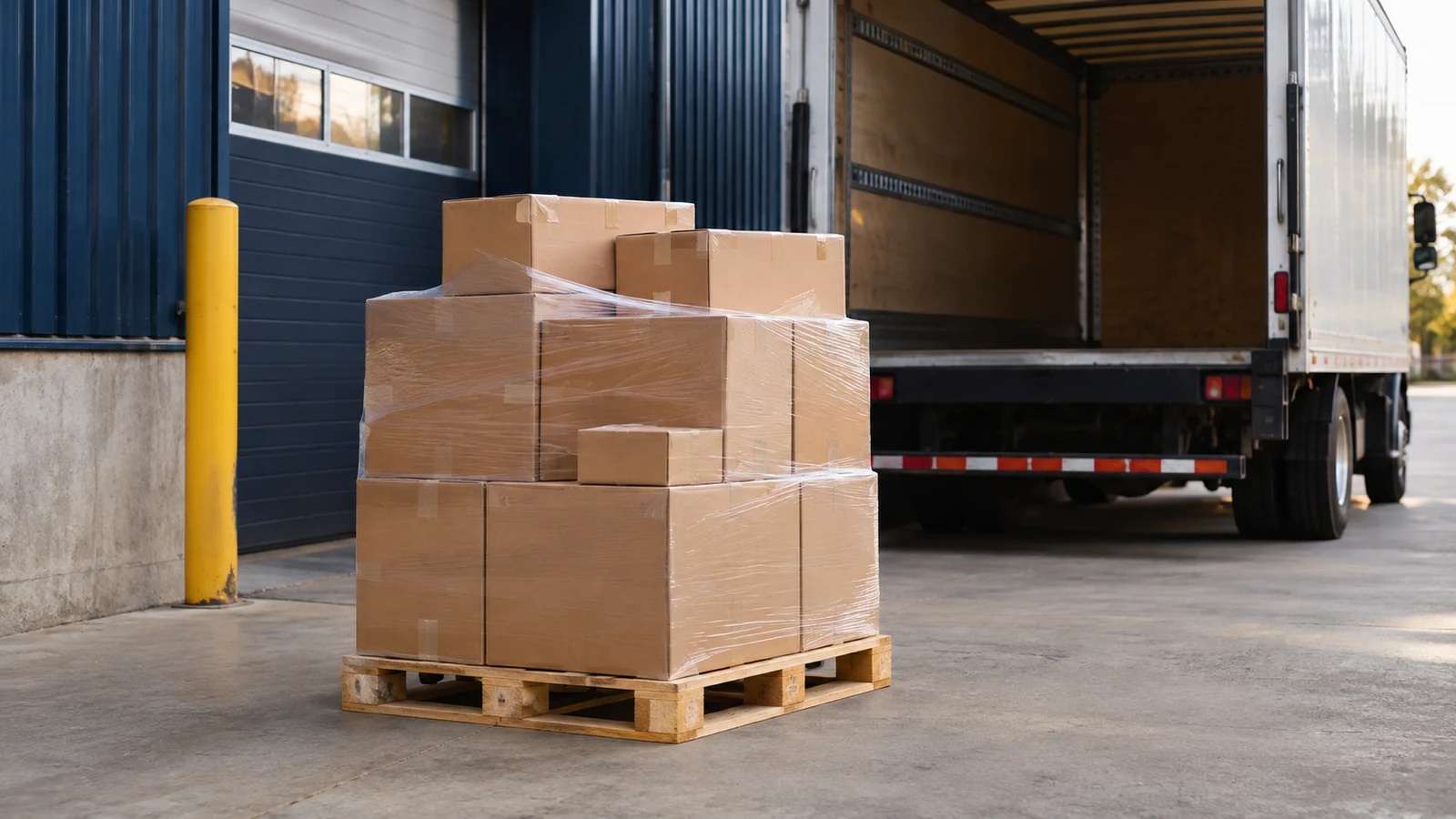
From my desk today
Recently, I asked for a quote to import containers to Canada.
When the number came back, I was surprised by how high it was.
Especially with all the conversation lately about bringing fuel costs down at the pump for drivers.
That's good news for your commute.
It's not showing up in the cost of moving goods.
The retailer reality
Here's what nobody explains when they talk about fuel prices: the fuel in your car isn't the fuel that moves your stock.
Your products travel on:
- Ships, burning marine fuel, on routes that are being squeezed at both ends.
- Trains, from the port to the rest of the country.
- Trucks, burning diesel, for the last stretch to your door.
And diesel hasn't followed the pump. The Retail Council of Canada's Fall 2026 report says diesel passed $2.50 a litre in mid-September, an all-time high and more than a dollar above a year earlier.
At sea, conflict in the Middle East has kept the Strait of Hormuz largely closed since February, and the Red Sea route is compromised too. RCC notes this reaches Canadian retail "as bunker cost and surcharges."
For a retailer, it all shows up the same way: a fuel surcharge on every supplier invoice, a higher landed cost on every product, and a little less margin on every sale.
And if you buy from five suppliers, you pay it five times.
Behind the scenes at Randmar
First, the numbers behind my quote.
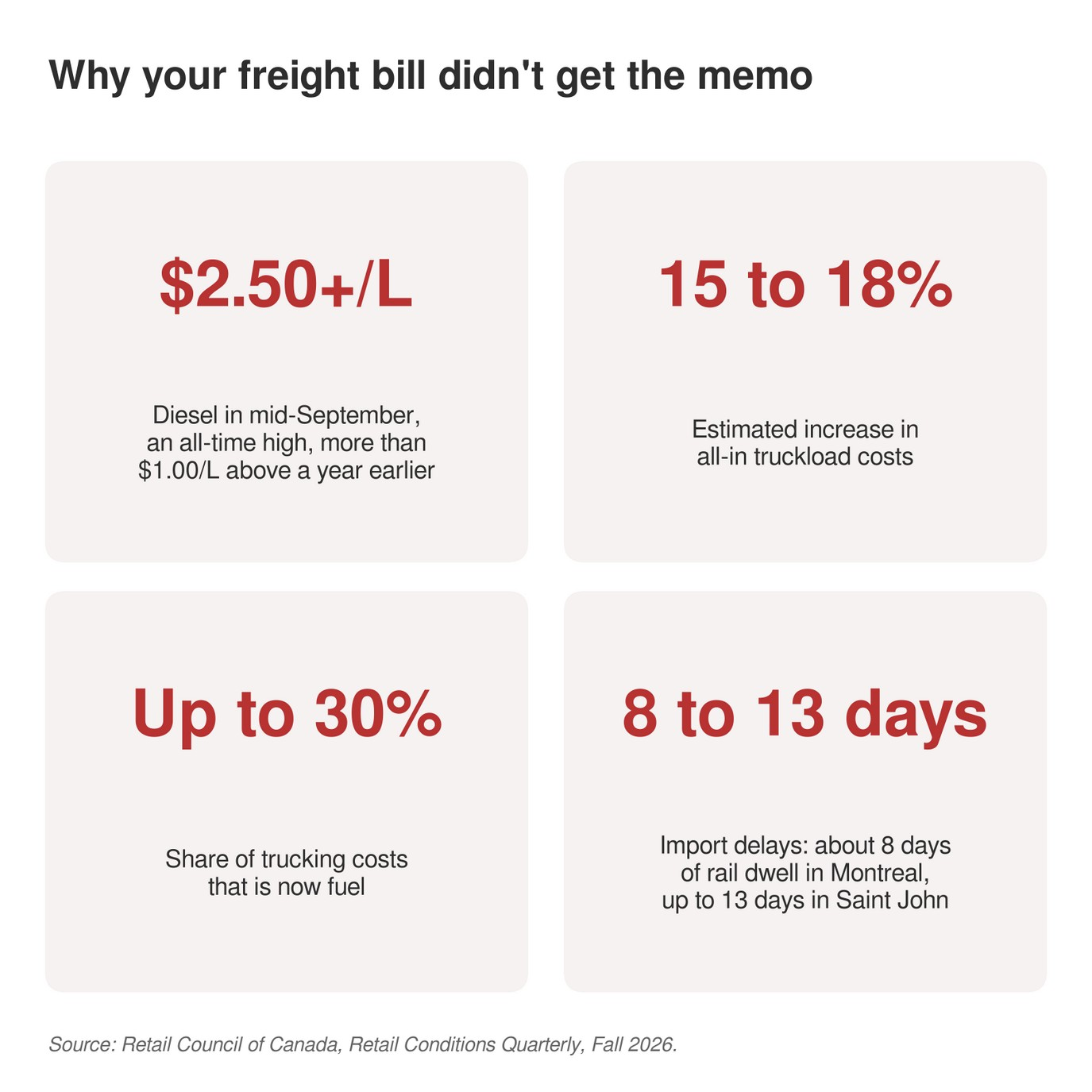
What it means for you: RCC expects these costs to weigh on margins through at least the first quarter of 2027. Relief is coming, but it's a 2027 story, and only a partial one.
Stop paying for freight five times
You can't change the price of diesel. You can change how many shipments carry it.
- Five suppliers, five shipments, five fuel surcharges. Every box that arrives separately carries its own share of fuel.
- One supplier, one shipment, one surcharge. With about 80 brands across office products, electronics and more, we can put several brands on the same order, the same invoice and the same delivery.
- Fill the pallet you're already paying for. A pallet shipment costs about $130 to $250, even if it isn't full. Mixed pallets let you fill that space with multiple brands. And clients who order by the pallet typically qualify for our best pricing.
- Let someone else wait at the port. We carry over 20,000 SKUs in our Laval and Edmonton hubs. The containers, the dwell time and the rail delays happen before your order, not after it. Order by 3 p.m. for same-day shipping, typically delivered in 1 to 3 days.
- If you import directly, compare. We can act as the importer for products we don't even carry. With quotes like the one I just got, it's worth running the numbers both ways.
Four things you can do this week, with or without us
- Ask every supplier to show freight and fuel surcharges as separate lines on their invoices.
- Combine small orders into fewer, fuller shipments.
- Re-cost the landed cost of your Q1 2027 orders now, assuming fuel stays high.
- Review your shelf prices on the products where freight is a big share of the cost: bulky, heavy or low-price items.
My real point
Relief at the pump isn't relief on your freight bill.
Plan your landed costs as if fuel stays high until spring, and cut the number of shipments that carry it.
Your quick win this week
Take your last five supplier invoices. Add up the freight and fuel surcharges, and divide by the value of the goods. That's what freight is costing you per dollar of product. Then ask which of those shipments could have travelled together.
Your turn
Has your freight bill gone up this fall, or are you starting to see relief?