
Getting your product listed is not the finish line.
It's the starting gun.

From my desk today
There's a question I hear from every major retailer I work with.
And it comes before the product is even listed.
“What will you do to sell it?”
Not “what's your cost?” Not “what's your margin?” Those come too. But the retailer wants to know, up front, what sell-through efforts, promotions and activities the supplier will offer and manage.
Meanwhile, too many brands walk into that meeting with a different assumption.
They think the listing is the end game. Get on the shelf, and the product will sell.
Here's the unpopular truth: the listing is only the beginning.
It's the moment a brand needs to press on the accelerator, to make sure its products come off the shelf.
Fast.
The retailer reality
Yes, retailers run marketing.
Flyers. Ads. Emails. Big seasonal campaigns.
But if you pay attention, most of it has one job: bring traffic to the store or the website.
Getting that shopper to discover your product, and choose it over the one next to it, is a different job. And most of the time, it falls on the supplier's shoulders.
Retailers know it. That's why they ask before the listing.
And every product on that shelf is competing for the same space. Sooner or later, it gets reviewed on one thing: how fast it sells.
A product that sits doesn't get a second chance. It gets replaced.
Behind the scenes at Randmar
First, what not to start with: discounts.
A launch discount feels like the fastest way to move product. But when the first price your customer ever sees is a reduced one, you've taught them what your product is worth. Every full-price sale after that gets harder.
A new product needs hype, awareness and demand. Not a markdown.
Here are 7 activities that bring a new product off the shelf.
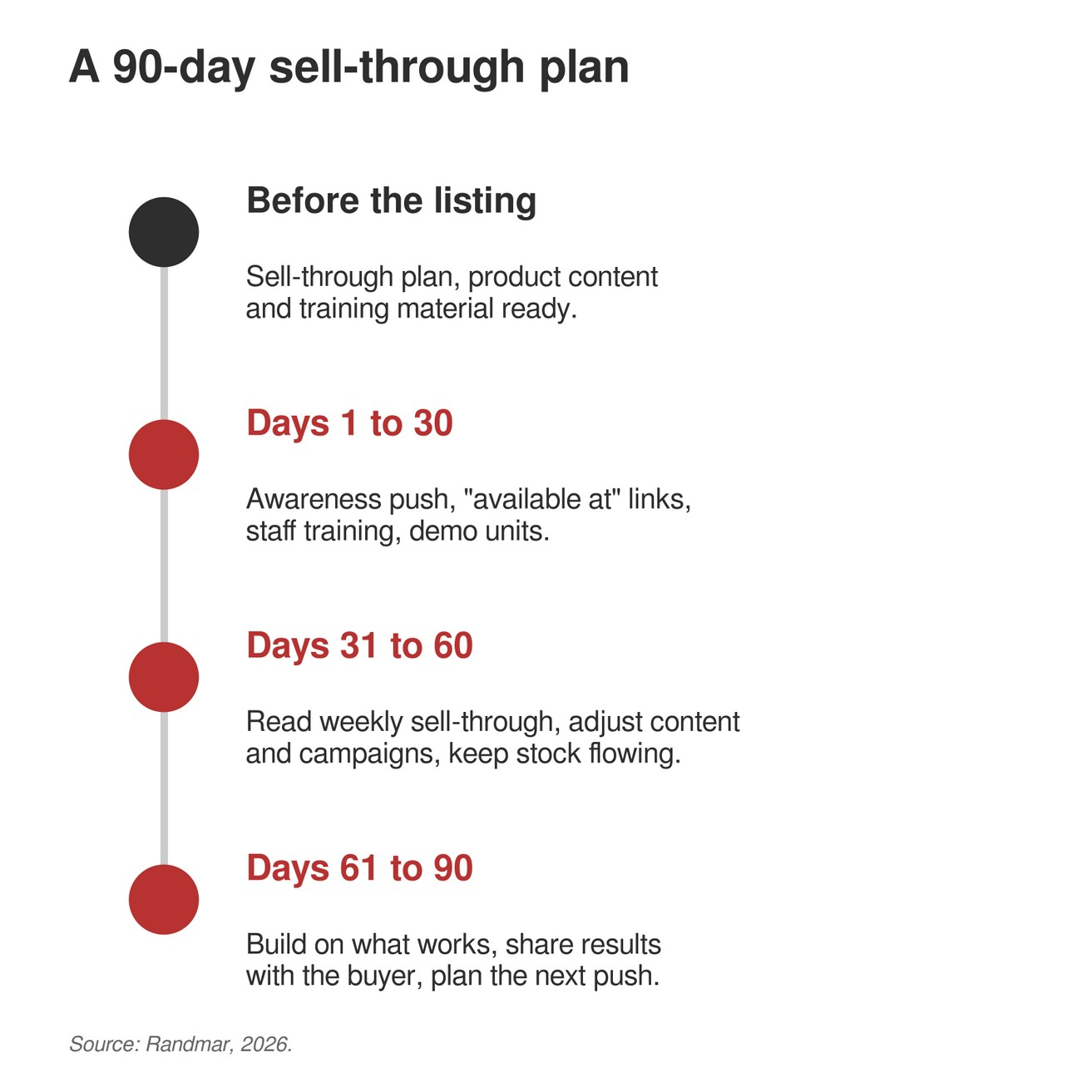
1. Bring a sell-through plan to the listing meeting.
The buyer is going to ask. Have the answer on one page: what you'll do, when, and how you'll measure it.
2. Build a strong online presence before the product reaches the shelf.
Shoppers now research online more than ever. Most of them only walk into a store once they've made their decision. If your product isn't easy to find online, with clear content, good images and real reviews, it won't be on their list when they get there.
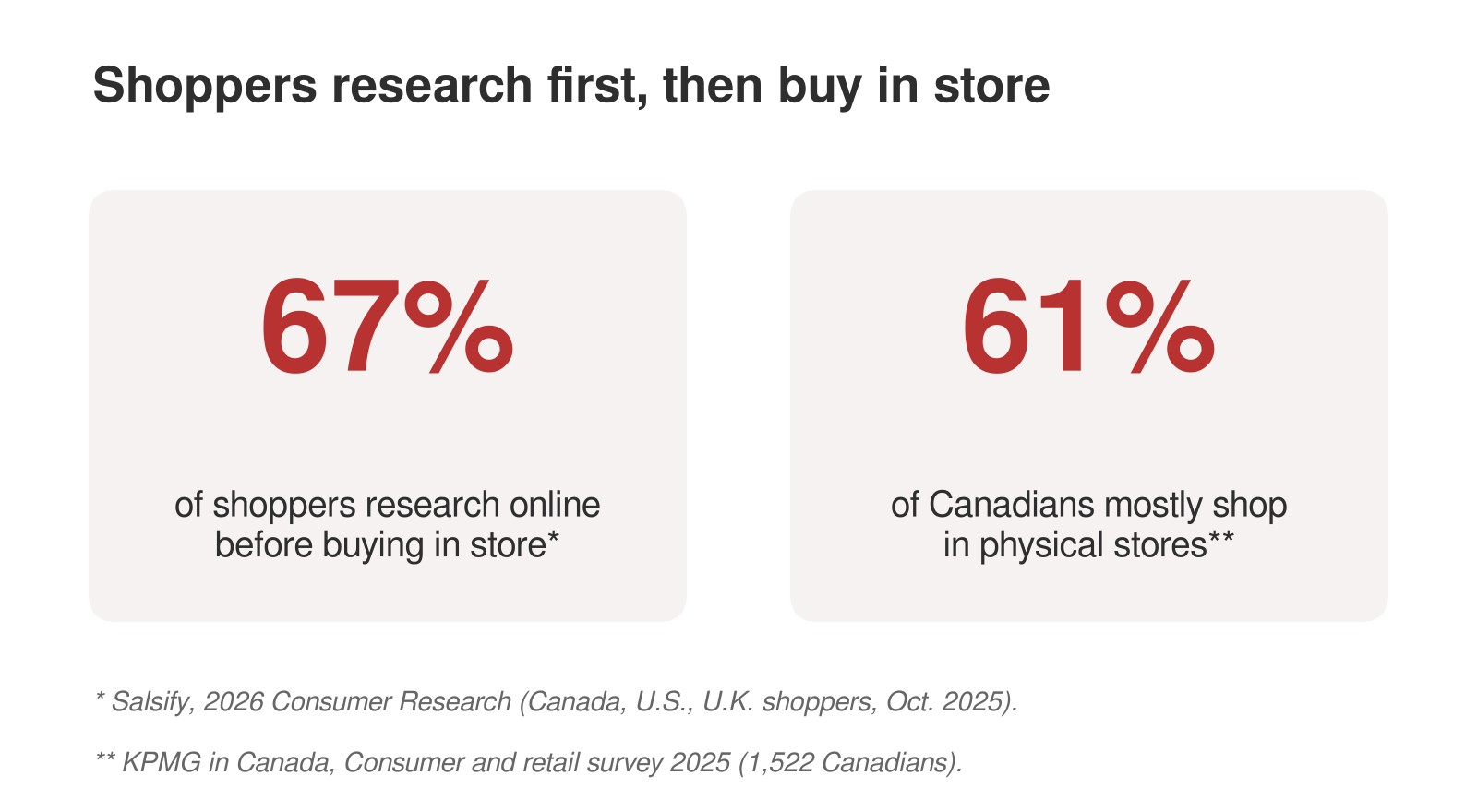
What it means for you: most Canadians still buy in stores, but two out of three shoppers check the product online first. The sale often starts on a screen, long before the shelf.
3. Make the product easy to understand in seconds.
Most sales at retail are unassisted. There's no salesperson next to your product when a shopper picks it up. So the packaging and the product itself have to do the heavy lifting, and confirm to the customer that they're choosing well.
Clear packaging, strong images, a product page that answers the obvious questions. Bilingual, if you sell in Quebec. If a shopper can't tell what it does, they won't buy it.
4. Give store staff a reason to recommend it.
Short training, a one-page product sheet, a demo unit they can try. Staff sell what they know and trust.
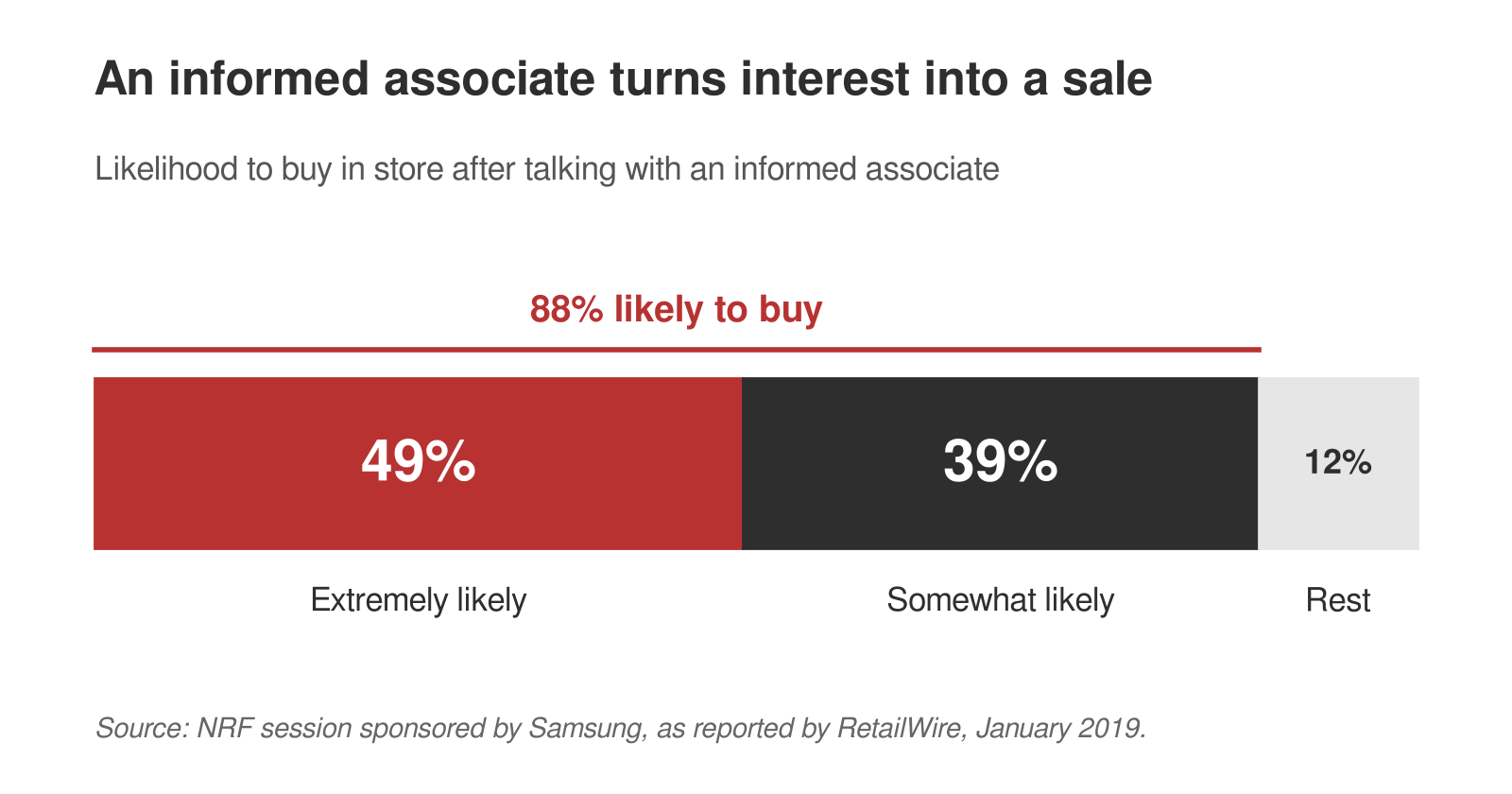
And when a shopper does ask for help, that moment counts. In data presented at an NRF session, 49% of consumers said they're extremely likely to buy in store after talking with an informed associate, and another 39% said they're somewhat likely.
5. Create awareness outside the store.
Social media, creators, PR, your own email list, ads. This is the job the retailer's traffic marketing doesn't do for you.
6. Tell people where to buy it.
Every piece of brand marketing should point to the retailer. “Available at” is the most underrated line in a launch campaign.
7. Read sell-through early, and keep stock flowing.
Watch the numbers weekly, double down on what works, and never let the product go out of stock while the hype is building. An empty shelf in week three can undo everything you spent to get there.
How Randmar helps brands and retailers through launch
- Before the listing. Introducing new brands to retailers is a big part of my job. We help prepare what the buyer will ask for, including the sell-through plan.
- Ready for every province. We check French on packaging, manuals and warranties, and help with Canadian French listings.
- Stock that keeps up with demand. Our forecasting algorithm aims for about 8 weeks of stock and flags critical purchase orders, so a product that takes off doesn't run dry.
- More doors, faster. Through the Manufacturer Portal, brands see reseller opportunities across our network of over 2,000 resellers.
My real point
A listing gives your product a chance.
Sell-through is what earns the next order. And sell-through is built with awareness and demand, not discounts.
Your quick win this week
If you're a brand: write your 90-day sell-through plan on one page before your next buyer meeting. If you're a retailer: ask every new supplier for theirs.
Your turn
What's the best launch support a brand ever gave you, or the worst?